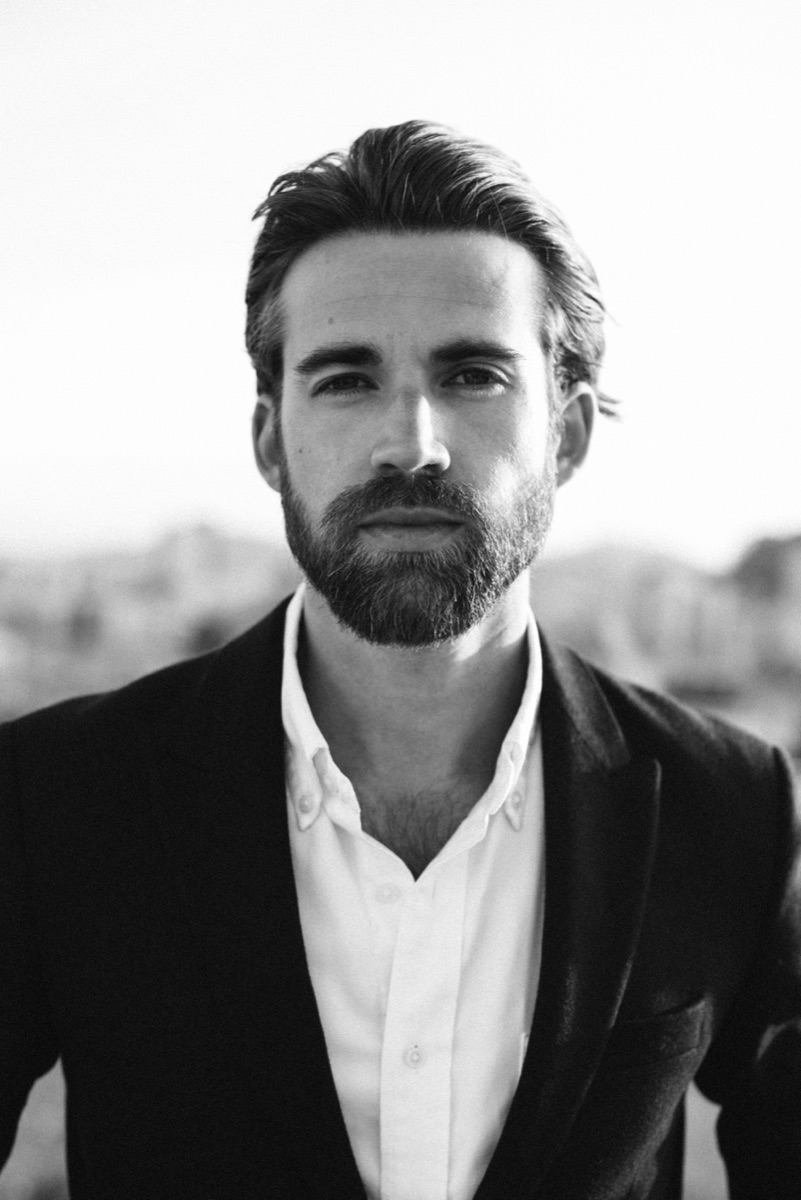
I'm Oliver.
For 15 years I worked in senior roles across tech and consulting - Paris, London, Dublin, San Francisco, Copenhagen - mostly inside large Fortune 500 tech companies, advising leaders at major brands. Along the way I became the person colleagues quietly came to with their financial questions - not the optimisation kind, the deeper kind. The “how do I know if I have enough,” “should I leave,” “is the trade still worth it” kind. This is that work, made into something you can actually use.
Money is stored time.
You trade your hours for a number. You can use that money to buy back a life that's actually yours: more time with the people you love, work that means something, room to build the thing you've been sketching for a decade or just feeling that life and work is on your terms. This is about seeing your money clearly enough to know how much of that life is already within reach - and designing toward it on purpose.
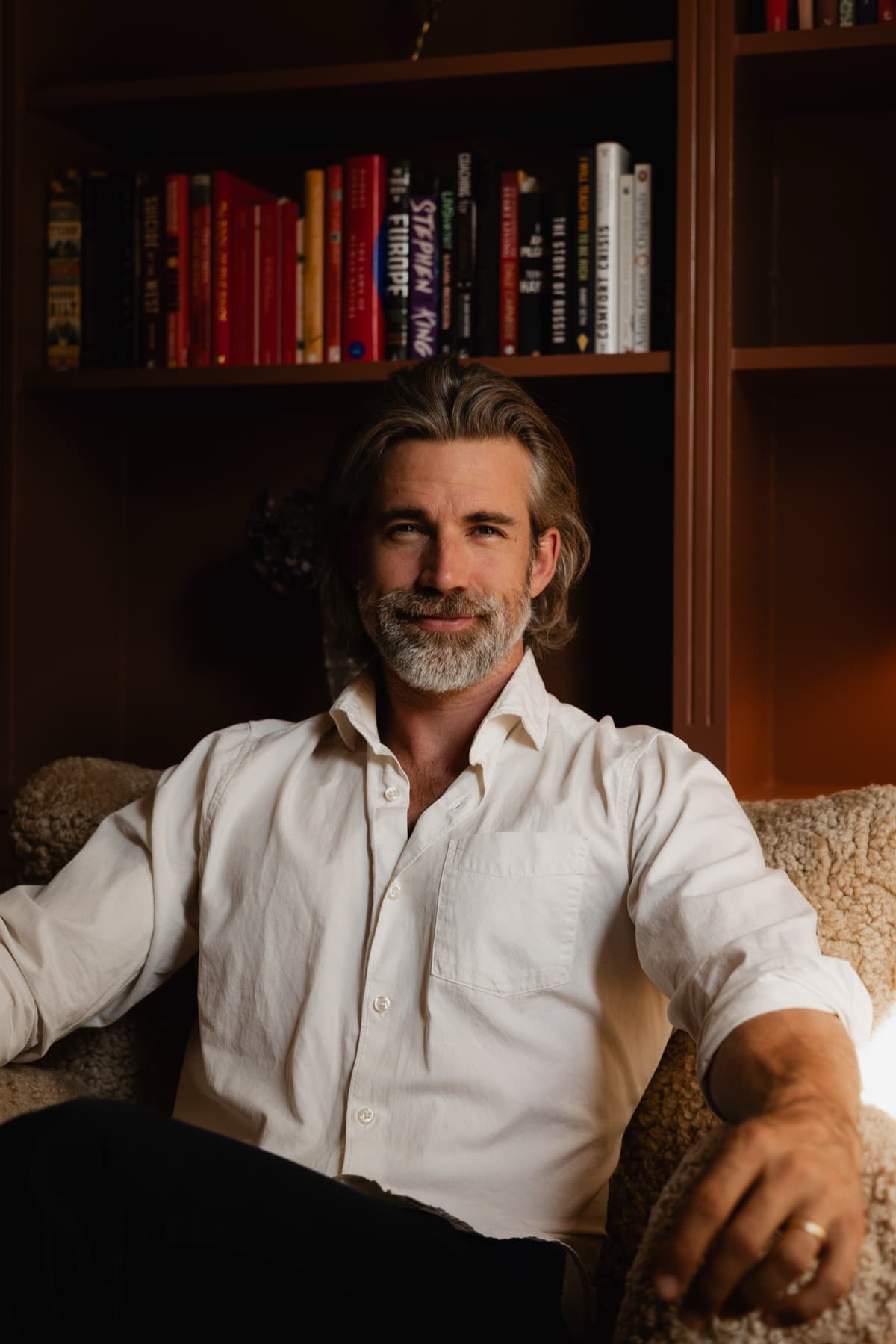
You're already a billionaire. Just not in the currency you've been counting.
Why I built this
The time now, in exchange for time later.
My father travelled for work through most of our childhood - gone about half the weeks of any given year. My mom did the heavy lifting at home. He missed most of my soccer matches; I still remember scanning the sideline. School drop-offs were rare enough that I remember the ones that happened. He wasn't a bad father. He was a normal one, running the deal most careers offer: the time now, in exchange for time later.
Shortly after he retired - right when that deal was supposed to pay out - he was diagnosed with early-onset dementia. The time he'd been saving for was taken from him.
The map my parents never had.
I didn't process it as a lesson at the time. But somewhere in there I decided what I wanted to protect: my health, my time, and the people close to me. When I started earning well myself, I went looking for the map my parents never had - they hadn't invested a cent in their lives. Hundreds of books, thousands of hours of podcasts - all of it pointed at one question: how do I take control of my time and my options before something takes them from me? Early retirement wasn't what I was after. I wanted to be sure that at every age my kids and I pass through together, we could do what interests us and be with the people we love - while we can. I make the school drop-offs.
High income, real savings, zero clarity.
Years later, friends earning extraordinary money started asking quietly whether they could stop. Hundreds of those conversations - kitchen tables, late dinners. The pattern was always the same: high income, real savings, zero clarity on whether they needed the paycheque. Usually they didn't - and hadn't for years.
A buffer we understand down to the month.
I've lived the experiment too. We're not extremely wealthy - that was never the goal. But my wife and I built a buffer we understand down to the month: we know exactly how long our runway is, so when a chance worth taking shows up, we can take it. That's what let us quietly design a life around each other and our kids, not the next rung - parental leave taken on purpose, slow mornings, weekends that belong to us. None of it was an accident. The math worked because we'd done the math.

No one is trained to do all of this.
What keeps a high earner stuck is rarely one thing. A money problem (do I have enough?) wraps around a psychology problem (why can't I act on it?), which wraps around a life-design problem (what would I even do instead?). Each profession only ever sees its own corner.
This is the one place all three meet - built by someone who's been in your shoes.
The one place money and meaning meet.
The rigour of a planner, the honesty of a therapist, the imagination of a coach - pointed at one question: what life do you actually want, and can you afford it? Usually, you can - sooner than you think.
Six things I believe.
Buying
your time
back.
For a long time the trade feels fair - until something shifts. A reorg. A health scare. A kid who'd rather you were home. A parent running out of years. A quiet wonder about whether you could do something else.
To give people the numbers - and the nerve - to do what their heart has been asking for.
The job comes with a path, the path with a salary, the salary with a lifestyle. Somewhere in there, the life you actually wanted gets quietly deferred.
More time with your kids. Mornings in the garden. The thing you've been sketching for a decade. These aren't indulgences - they're the actual point. This exists to give you the financial confidence to take the risks your heart has been asking you to take.
It doesn't stop at your own front door, either. The people I've watched reach their number are the ones who say yes to the school board, the cause, the friend who needs a bridge, the work that matters but pays less. It's hard to be generous while you're afraid. Helping people feel safe about money is also how more of it flows back out into the world.
There are two ways in. Run your own numbers in the program tonight - or apply, and we'll sit down and run them together.